
Cells: Revision Notes and Practice Quiz
All living things are made of cells they're the building blocks of every organism on our planet. However, different organisms have different cell structures.


All living things are made of cells they're the building blocks of every organism on our planet. However, different organisms have different cell structures.

Mitosis is a type of cell division in which one cell, the mother, divides into two genetically identical daughters. The mitosis of the cell cycle refers to the process in which the DNA of the cell's nucleus is divided into two equal sets of chromosomes.

Download AQA GCSE Combined Science past exam papers to practice so that you prepare yourself for your final exam.

The cell's structure is related to the job it does, so cell structures vary from one another. When cells express specific genes that characterise a certain type of cell we say that a cell has become differentiated.

Cells are the basic unit of life. Cells are the basic building blocks that make up all living organisms and they come together in many shapes and sizes.

Chromosomes carry genetic information in a molecule called DNA. A type of cell division called mitosis ensures process happens.

Health and diet science is the study of how the food we eat affects our health. It includes the study of nutrients, how they are absorbed and used by the body.
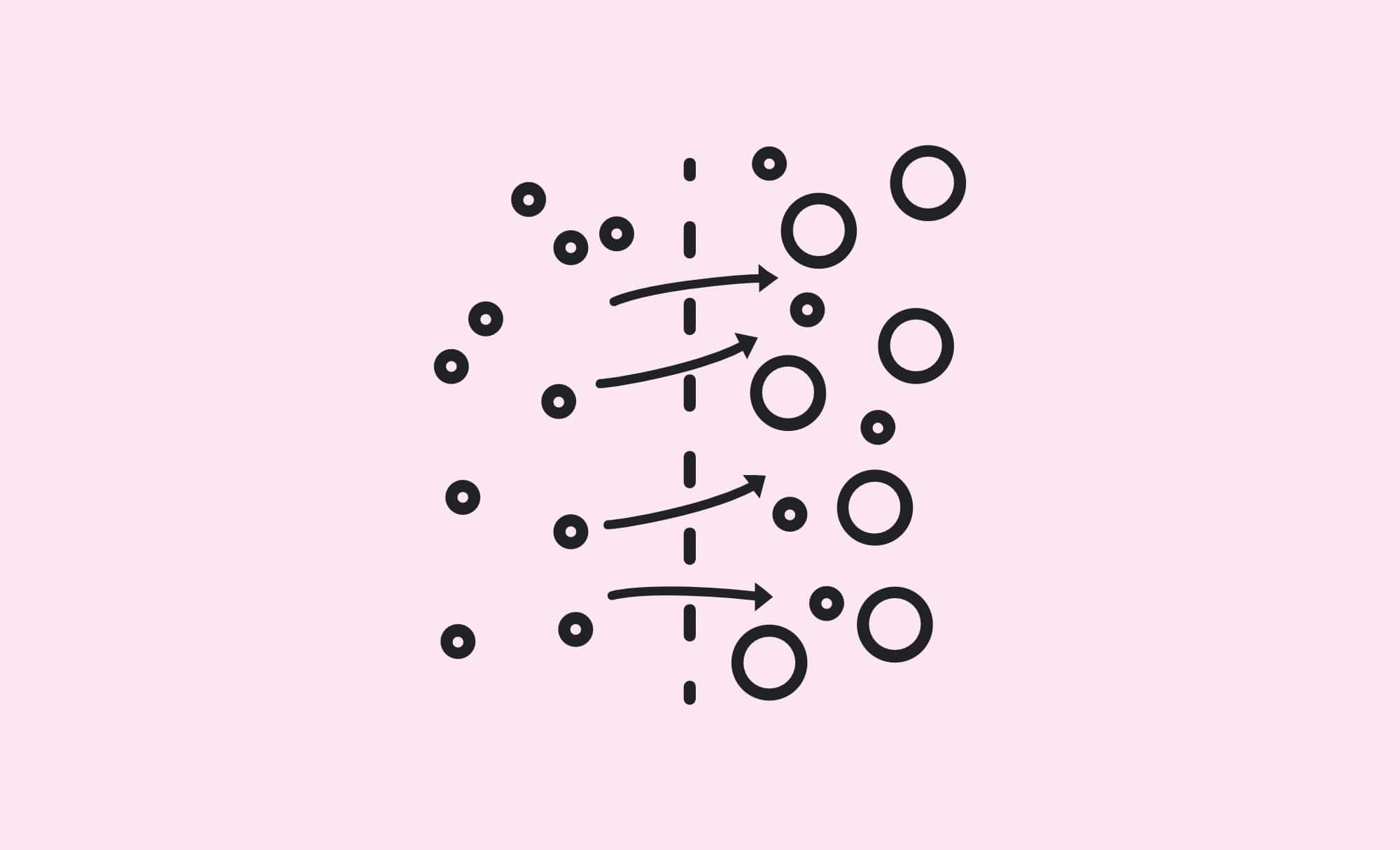
There is no doubt that osmosis is an important process for life. It is how cells get the water they need to carry out chemical reactions.

The mitosis process produces two identical diploid cells for the purpose of growth and repair after cell division.