


Please note this topic is includes interactive MCQ (Multiple Choice Questions) for revision. The first half of the topic contains a few revision questions. However, most of the questions are at the end of the topic. So, we hope you get something from it. 😘
BTW, you may find this topic is a lot longer than our "normal." So, please don't force yourself to go through it all in one sitting! You may get a stomach ache. 🤒😉
Poets use different techniques to get their message across because they want to create an emotional connection with their readers and make their poetry more memorable and impactful.
When we read poetry - we often look for more than just information or facts. We want to be moved emotionally and connect to the poem and its themes. This is where poetry techniques come in. Poets can create a vivid and powerful image in the reader's mind by using techniques such as imagery, metaphor, simile, personification, alliteration, and rhyme. In addition, using different techniques can help us to understand and connect with the poet's message on a deeper level.
Additionally, poetry techniques can make a poem more memorable. A rhythm, rhyme or alliteration in a poem can help make it easier to remember. Our brains have an innate ability to detect patterns and repetition, making it simpler for us to remember poems or rhymes with a strong sense of rhythm, rhyme or alliteration. Structured texts such as these often leave strong impressions that come in handy when recalling or reciting them.
People often memorise poems that were read or learned in school, and very often, it stays with people for years. This is partially because they are easier to remember. Consequently, this is one of the leading causes of why people can recite poems from their childhood even after a long time.

Poets use various techniques to convey their message and evoke emotions in their readers. Here are some of the techniques used:
The techniques mentioned above are just a few of the many strategies poets use to create compelling and memorable works of literature.
Let's now look more in detail at some of the techniques.
Revision Quiz: Part 1 of 3
To answer the questions correctly, hover over each option and click to select it. After you finish, click 'Submit' to check your score and see the correct answers and explanations. Most questions will include an explanation with the answer. Please take the time to read the explanations accompanying the answers to your questions. Doing so will give you a better overall understanding of the topic.
Voice: Who's speaking and how?
The voice of a poem is an important poetic technique that can significantly impact how the poet's message is conveyed. Here are some examples that illustrate how the voice of a poem can be used to create a specific effect:
HOW THE MESSAGE IS CONVEYED
A poem's voice can significantly influence how the poet's underlying message is communicated. This can lead to a deeper understanding of the poem and its meaning.
Consider a poem about the beauty of nature. If the poem's voice is sombre or melancholy, the message might be that even though nature is beautiful, it is also fleeting and fragile. However, if the voice is joyful or exuberant, the message might be that nature is a source of endless wonder and delight.
HOW THEY SPEAK TO THE AUDIENCE
Whether the narrator speaks in the first person or the third person makes a huge difference in how the message is conveyed. A poem that uses the first-person voice puts the narrator at the centre of the action. This can create a sense of intimacy and immediacy, as if the poet speaks directly to the reader.
For example, in Robert Frost's poem "Stopping by Woods on a Snowy Evening," the first-person voice creates a sense of personal reflection as if the speaker is pausing to contemplate the beauty of the snowy woods.

A first-person voice can also create a sense of subjectivity or bias since the narrator is speaking from their own perspective. This can make the poem more personal and emotional. For example, in Maya Angelou's poem "Still I Rise," the first-person voice creates a sense of empowerment and resilience as if the speaker is speaking directly to the reader and telling them that they, too, can rise above adversity.
In contrast, a third-person voice can create a sense of distance or objectivity. This can give the reader an outside perspective on the poem's action and help them see it in a broader context. For example, in William Wordsworth's poem "I Wandered Lonely as a Cloud," the third-person voice creates a sense of detachment and observation, as if the speaker is watching the scene from a distance and taking it all in.

Who is the poem addressed to?
Addressed To" is a poetic technique that involves writing a poem as if the speaker is talking to a specific person or audience. Here are some examples that illustrate how this technique can often be used:
DIRECT ADDRESS
In Robert Burns' poem "To a Mouse," the speaker addresses a mouse that he has just disturbed while ploughing his field. The entire poem is written as if the speaker is talking directly to the mouse, expressing his regret for having caused the mouse to flee its nest. The direct address creates a sense of intimacy and empathy, as if the speaker and the mouse share a moment of mutual understanding.
In Emily Dickinson's poem "Because I Could Not Stop for Death," the speaker addresses Death directly, personifying Death as a gentleman who has come to take her on a carriage ride. The direct address creates a sense of familiarity and intimacy between the speaker and Death, suggesting that the speaker may not be afraid of dying.
Use of spoken language
Poets can use features of spoken language as a technique to make their poems more authentic, personal, and relatable. Here are some ways poets can incorporate spoken language into their poetry:
Poems can reproduce spoken language, e.g. dialect words or phonetic spellings: In Maya Angelou's poem "I Know Why the Caged Bird Sings," she uses dialect words such as "y'all" and "ain't" to capture the speech patterns of African Americans in the southern United States. By using these words, Angelou creates a sense of authenticity and cultural specificity, making the poem more relatable to people who share that background.
Similarly, in Seamus Heaney's poem "Digging," he uses phonetic spellings of Irish words, such as "squat pen", to capture the sound of his father's speech. By reproducing his father's speech, Heaney conveys a sense of intimacy and familiarity, as if the reader is eavesdropping on a private conversation.

In Sylvia Plath's poem "Daddy," she uses informal language such as "you do not do" and "I have had" to create a conversational tone. Using everyday language, Plath establishes a sense of intimacy and immediacy, as if the reader is having a direct conversation with the speaker.
Similarly, in Langston Hughes' poem "The Weary Blues," he uses repetition and improvisational language to mimic the sound of a blues singer. By using these techniques, Hughes creates a sense of spontaneity and improvisation, making the poem feel more like a live performance than a written text.
In Derek Walcott's poem "A Far Cry from Africa," he uses West Indian dialect and accent to convey the speaker's sense of identity and belonging. By using these features, Walcott creates a sense of cultural specificity and resistance to colonialism, making the poem a powerful statement of political and personal identity.
In summary, poets can use spoken language features as a technique to make their poems more authentic, personal, and relatable. These features include dialect words, phonetic spellings, informal language, repetition, improvisation, and accents. Using these techniques, poets can create a sense of intimacy, immediacy, and cultural specificity in their work.
The power of rhyme
Rhyme can be an effective poetic technique for reinforcing a poem's message and creating a memorable rhythm. Here are some ways poets can use rhyme to enhance their work:
Example: In Edgar Allan Poe's famous poem "The Raven," the repeated use of the word "nevermore" creates a haunting and unforgettable refrain that reinforces the poem's sense of despair and loss.
Example: Robert Frost's poem "Stopping by Woods on a Snowy Evening" uses a simple and regular rhyme scheme (ABAABCB) that creates a sense of calm and control that mirrors the peacefulness of the winter landscape.
Example: The modernist poet E.E. Cummings often used unconventional syntax, punctuation, and word choice in his poetry, as well as an irregular approach to rhyme and meter. This helped create a sense of experimentation and rebellion that was central to the modernist movement.
Example: In Shakespeare's "Sonnet 29," the use of internal rhyme (e.g. "haply I think on thee, and then my state, / Like to the lark at break of day arising") helps create a sense of musicality and unity that reinforces the poem's theme of love and longing.
Here are some more examples:
In Emily Dickinson's poem "Hope is the thing with feathers," she uses a consistent rhyme scheme (ABCB) to create a sense of musicality and reinforce the idea of hope as a constant presence in the speaker's life. By using rhyme, Dickinson adds power to the poem's message, making it more memorable and impactful.

Similarly, in William Shakespeare's Sonnet 18, he uses a regular rhyme scheme (ABAB CDCD EFEF GG) to create a sense of control and order. Using rhyme, Shakespeare reinforces the poem's message of the speaker's love for the subject, making the poem feel more coherent and unified.
In Robert Frost's poem "Stopping by Woods on a Snowy Evening," he uses an irregular rhyme scheme (ABAAB CBBCB DBDBD EFEFE) to convey a sense of unpredictability and mystery. Using an irregular rhyme scheme, Frost creates a sense of tension and uncertainty, reinforcing the poem's theme of the unknown.
On the other hand, in Lewis Carroll's poem "Jabberwocky," he uses an absence of rhyme to create a sense of whimsy and playfulness. By not using rhyme, Carroll frees himself to invent new words and sounds, adding to the poem's sense of creativity and fun.
In Edgar Allan Poe's poem "The Raven," he uses a regular rhyme scheme (ABCBBB) to create a sense of control and order that contrasts with the speaker's growing despair. In addition, using a regular rhyme scheme, Poe reinforces the poem's message of loss and grief, making it feel more powerful and emotional.
In contrast, in T.S. Eliot's poem "The Love Song of J. Alfred Prufrock," he uses an irregular rhyme scheme to create a sense of fragmentation and confusion. By using an irregular rhyme scheme, Eliot reinforces the poem's message of alienation and uncertainty, making it feel more disorienting and unsettling.
In Samuel Taylor Coleridge's poem "The Rime of the Ancient Mariner," he uses internal rhyme to create a sense of musicality and reinforce the poem's message of guilt and redemption. For example, in the line "The fair breeze blew, the white foam flew," the words "blew" and "flew" rhyme within the same line. By using internal rhyme, Coleridge creates a sense of coherence and unity in the poem, making it more powerful and memorable.
In summary, rhyme can be an effective poetic technique for reinforcing a poem's message and creating a memorable rhythm. Poets can use regular or irregular rhyme schemes or omit rhyme, depending on the desired effect. Internal rhyme can also develop a sense of musicality and coherence. Finally, poets can use rhyme effectively to add power and impact to their work.
Rhythm: pace and mood
Rhythm is an important poetic technique that can greatly impact a poem's overall message and meaning. Here are some examples of how poets can use rhythm to achieve certain effects in their poetry:
CREATING A SENSE OF URGENCY
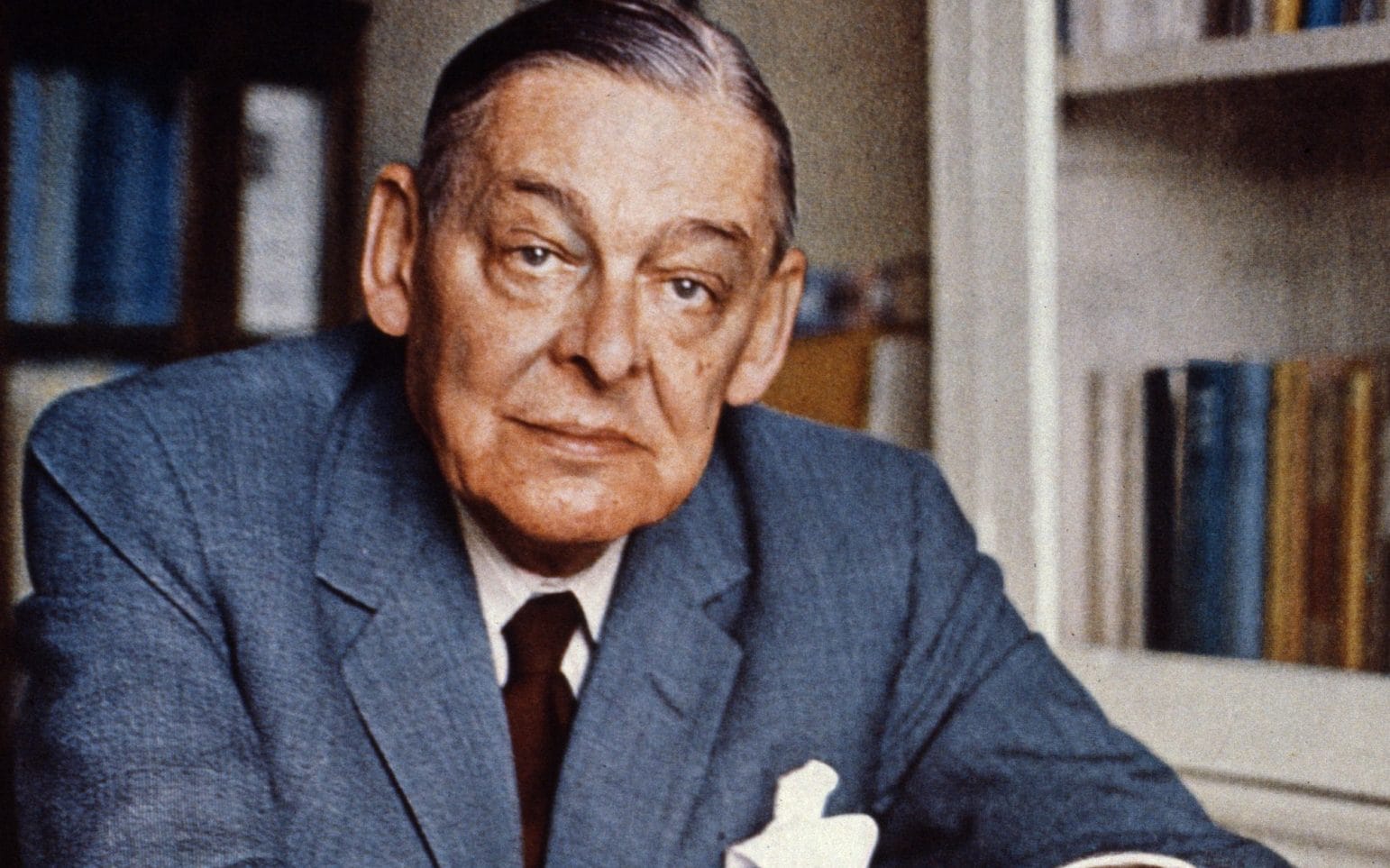
A fast rhythm with short, staccato beats can create a sense of urgency and intensify the poem. For example, consider this excerpt from T.S. Eliot's "The Love Song of J. Alfred Prufrock":
"In the room the women come and go
Talking of Michelangelo."
The short, clipped rhythm of this couplet creates a sense of nervous energy and urgency, reflecting the anxious mindset of the speaker.
CONVEYING A SENSE OF CALM OR TRANQUILLITY
A slow, regular rhythm can create a sense of calm or tranquillity in a poem. For example, consider the opening lines of William Wordsworth's "Lines Composed a Few Miles Above Tintern Abbey":
"Five years have passed; five summers, with the length
Of five long winters! and again I hear
These waters, rolling from their mountain-springs
With a sweet inland murmur."
The regular rhythm of these lines, with each line having a similar number of beats, creates a sense of peacefulness and tranquillity that reflects the speaker's appreciation of the natural world.
MIMICKING SOUNDS RELATED TO THE POEM
Sometimes, poets use rhythm to imitate sounds that are related to the poem's subject matter. For example, in "The Raven" by Edgar Allan Poe, the regular rhythm of the poem's refrain ("Quoth the Raven 'Nevermore.'") creates a sense of the relentless ticking of a clock, which fits with the poem's overall theme of the inevitability of Death.
In conclusion, rhythm is an essential poetic technique that can significantly impact a poem's overall message and meaning. By adjusting the speed and regularity of the beats within a line, poets can create a wide variety of effects that help to convey their intended message.
Metres and patterns
Metre plays an important role in poetry. It is how syllables are organised or structured in a line of poetry, creating a certain rhythm and flow. Metre can be used as a powerful poetic technique to convey the poem's message. Here are some examples:
Punctuations have a big impact!
Punctuation is a critical element of poetry that affects how a poem flows and can enhance its message. Poets use punctuation to create pauses, emphasise words or ideas, and interrupt a poem's rhythm. Here are some examples:
When a poet inserts a pause in a line of poetry by using punctuation, such as a comma, dash or semicolon, it is called a caesura. This can create a momentary pause that draws attention to a specific word or idea. For example, in William Shakespeare's Sonnet 18, he uses a semicolon to create a caesura in the middle of the line, which emphasises the contrast between the fleeting nature of human life and the immortality of the subject of the poem: "Nor shall Death brag thou wander'st in his shade;"
Enjambment is when a sentence or phrase runs over from one line of poetry into the next one, without any punctuation to signal a pause. This technique can create a sense of momentum and fluidity, drawing attention to the final word of the first line or the first word of the next line. For example, in Langston Hughes's "Harlem," the use of enjambment emphasises the delay and deferred hopes of the African American community: "What happens to a dream deferred? Does it dry up like a raisin in the sun?"
In contrast to enjambment, an end-stopped line is a line of poetry that ends in a definite pause, usually created by punctuation such as a period or a comma. End-stopped lines can help maintain a regular rhythm and create a deliberate, measured pace. For example, in William Wordsworth's "I Wandered Lonely as a Cloud," the use of end-stopped lines emphasises the beauty and serenity of nature: "Continuous as the stars that shine / And twinkle on the Milky Way,"
Similes and Metaphors
Similes and metaphors are powerful poetic techniques that can add depth and richness to a poem's descriptions. Similes are expressions that compare two distinct objects by highlighting their similarities. They use words such as 'like' and ‘as' to make a vivid comparison. Metaphors are literary devices used to make comparisons between two different things and describe one in terms of the other. This can help to make your writing more vivid and creative.
Here are some examples:
SIMILE:
"Her smile was as bright as the sun." In this example, the poet is comparing the brightness of a person's smile to the brightness of the sun. The simile helps to emphasise how radiant and joyful the person's smile is.
METAPHOR:
"She was a ray of sunshine on a cloudy day." In this example, the poet uses a metaphor to describe the person as a "ray of sunshine." This helps to emphasise how the person brings light and happiness to an otherwise gloomy situation.
SIMILE:
"The sea was like a mirror, reflecting the sky above." The poet uses a simile to compare the sea to a mirror. This helps to emphasise the calmness and stillness of the sea, as well as the beauty of the sky reflected on its surface.
METAPHOR:
"He was a lion, fearless and strong." In this example, the poet uses a metaphor to describe a person as a "lion." This helps to emphasise the person's bravery and power, as well as their fierce and commanding presence.
Overall, similes and metaphors can be powerful poetic techniques that help to create vivid and memorable images in the reader's mind. In addition, they can add depth and meaning to a poem's descriptions and help to emphasise important themes and messages.
Personification as a technique
Personification in poetry is a literary device which assigns Human characteristics to an inanimate object or an abstract concept. This technique can bring the poem to life, enabling readers to view and relate better with the object or concept.
Here are some examples of how personification can be used as a poetic technique to convey a message:
Example 1: In William Wordsworth's poem "I Wandered Lonely as a Cloud," he personifies daffodils by giving them human qualities:
"Continuous as the stars that shine
And twinkle on the Milky Way,
They stretched in never-ending line
Along the margin of a bay:
Ten thousand saw I at a glance,
Tossing their heads in sprightly dance."
By describing the daffodils as "tossing their heads in sprightly dance," Wordsworth gives them human-like qualities of joy and liveliness, which helps to create a positive, uplifting mood in the poem.
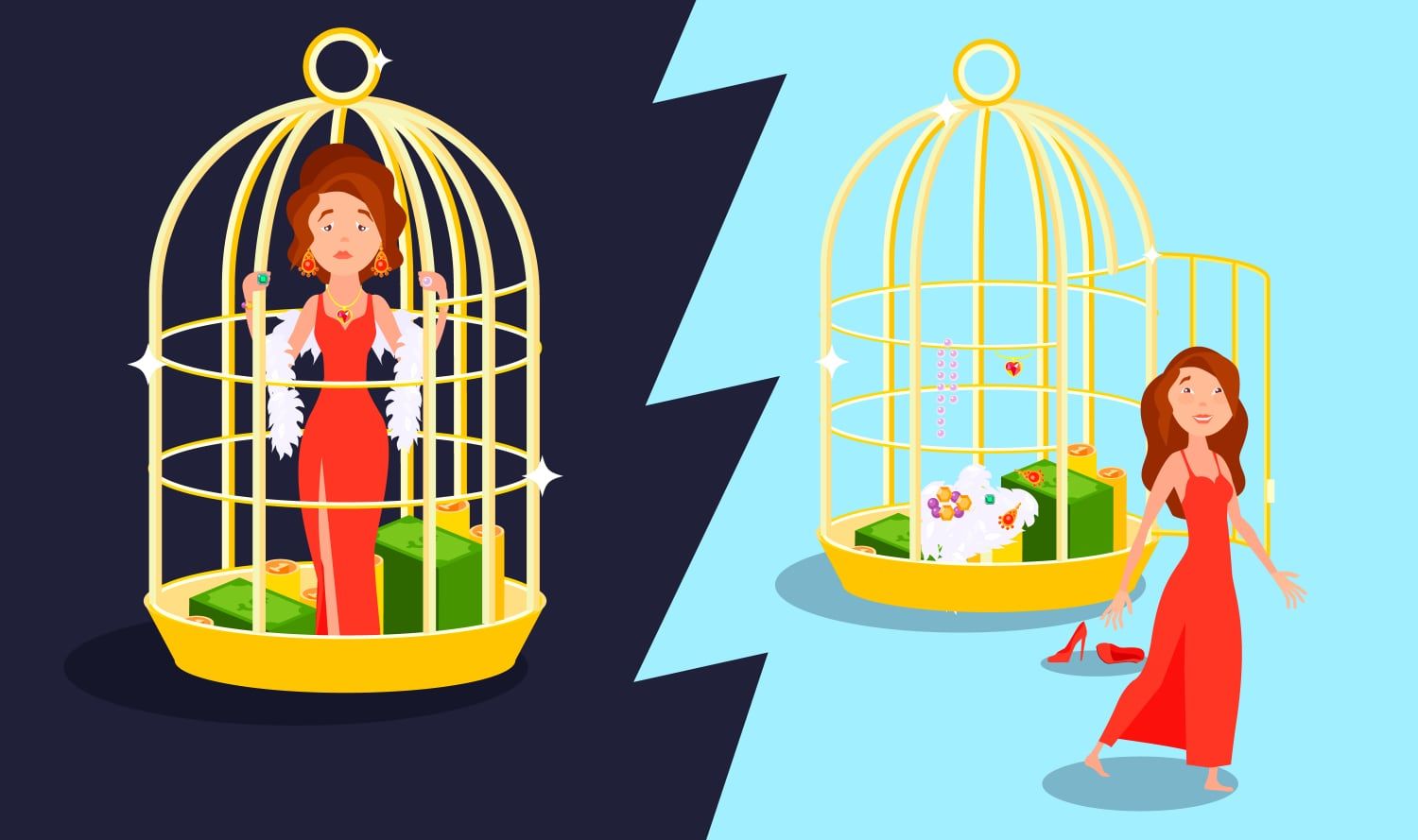
Example 2: In Maya Angelou's poem "Caged Bird," she personifies a bird to represent the struggle for freedom:
"The caged bird sings
with fearful trill
of the things unknown
but longed for still
and his tune is heard
on the distant hill
for the caged bird
sings of freedom."
By describing the bird's song as a "tune" that can be heard "on the distant hill," Angelou gives the bird a voice and emotions that evoke the longing for freedom, which is the poem's central message.
Overall, personification can be a powerful tool for poets to convey their message by imbuing inanimate objects or animals with human-like qualities, which can evoke emotions and add depth to the poem.
Imagery as a technique
Imagery is one of the most important poetic techniques, as it allows poets to create vivid and powerful images that engage the reader's senses. By appealing to the reader's senses, poets can create an immersive and memorable experience for their audience. Here are some examples of how imagery can be used in poetry:
VISUAL IMAGERY
This type of imagery is used to create mental pictures in the reader's mind. For example:
"The sky was a deep shade of blue,
with clouds like fluffy white cotton balls."
AUDITORY IMAGERY
This type of imagery is used to create sounds in the reader's mind. For example:
"The wind howled through the trees,
whipping up leaves and twigs in its wake."
OLFACTORY IMAGERY
This type of imagery is used to create scents in the reader's mind. For example:
"The aroma of freshly baked bread
wafted through the kitchen and filled the air."
GUSTATORY IMAGERY
This type of imagery is used to create tastes in the reader's mind. For example:
"The tartness of the lemon
made my mouth pucker with each sip."
TACTILE IMAGERY
This type of imagery is used to create sensations of touch in the reader's mind. For example:
"The sand was warm and gritty,
slipping between my toes as I walked along the beach."
By using sensory imagery, poets can transport their readers to another world and help them experience emotions and sensations more viscerally. This can be a powerful tool for conveying the message and themes of a poem.
Sounds of words
Poets use various sound techniques to create a specific effect or convey a message in their poems. For example, poets use the auditory qualities of words to create specific moods, rhythms and intonations in their verses. The sounds these words make can dramatically affect how a poem is interpreted.
Let's explore some examples:
ALLITERATION
"I have stood still and stopped the sound of feet" from Robert Frost's poem "Acquainted with the Night" uses repeated "s" sounds to create a sense of stillness and silence. Another example would be "Peter Piper picked a peck of pickled peppers." In this line, the repetition of the "p" sound creates a musical quality that makes the line easy to remember.
ASSONANCE
"The rain in Spain falls mainly on the plain" from "My Fair Lady" by Alan Jay Lerner, and Frederick Loewe repeats the long "a" sound, creating a sense of rhythm and melody. Also, "I feel the heat in my feet." The repetition of the long "e" sound creates a feeling of heat and discomfort in the reader.
SIBILANCE
"The sea's waves whisper stories in the sand" from "The Sea" by James Reeves uses repeated "s" sounds to create a calming and gentle effect, mimicking the sound of waves on the shore. Another, "The snake slithered silently through the grass." The repetition of the "s" sound creates a hissing effect that mimics the sound of a snake.
ONOMATOPOEIA
"And the silken sad uncertain rustling of each purple curtain" from Edgar Allan Poe's "The Raven" uses the sound of the word "rustling" to create an eerie and unsettling atmosphere. Here is another, "The bees buzzed by the bushes." The word "buzzed" imitates the sound of bees, making the line more descriptive and engaging.
By using sound techniques, poets can create a sensory experience for the reader, make their poems more engaging, and convey their message more effectively.
Revision Quiz Part 2 of 3
To answer the questions correctly, hover over each option and click to select it. After you finish, click 'Submit' to check your score and see the correct answers and explanations. Most questions will include an explanation with the answer. Please take the time to read the explanations accompanying the answers to your questions. Doing so will give you a better overall understanding of the topic. All the best!


